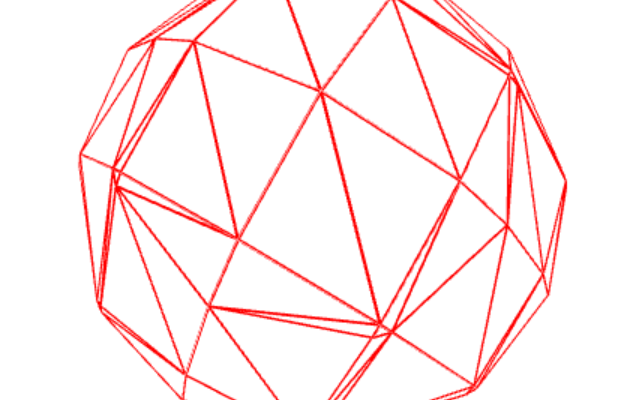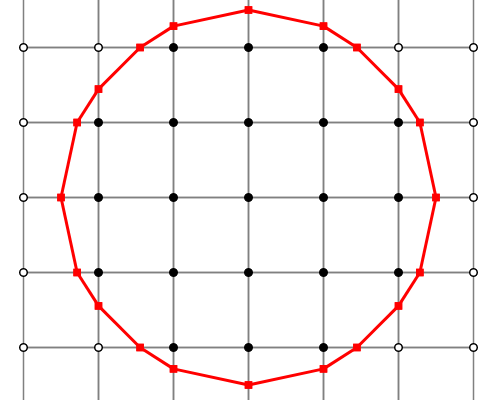
Wave Function Collapse tips and tricks

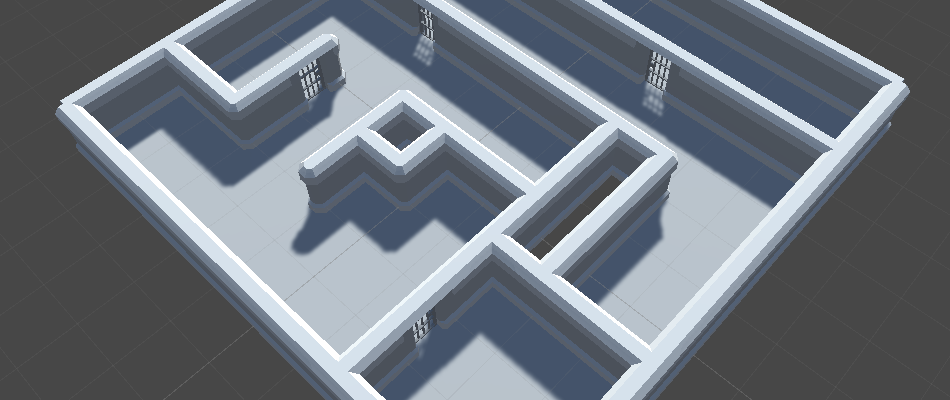
Dungeon generation with pathing

I’ve been experimenting a lot with constraint-based procedural generation these days. Specifically the Wave Function Collapse algorithm (WFC). I’ve even made my own open source library, and unity asset.

WFC is a very flexible algorithm, particularly with the enhancements I’ve designed, but at the same time, I’ve found it’s quite hard to actually get it to produce practical levels useful for computer games. The key difficulty is WFC doesn’t have any global structure to it, all it does it make the output generation look like the input locally, i.e. when viewing small rectangles of output at a time.

In this article, I share what I’ve learned to take your constraint based generators to the next level.

Continue reading →
Messing with Unity’s GUIDs

I recently released an addon in the Unity asset store. It’s actually two addons: Tessera Pro is a fully featured copy, with complete source code, and Tessera which has cut down features, and you just get a precompiled .dll.

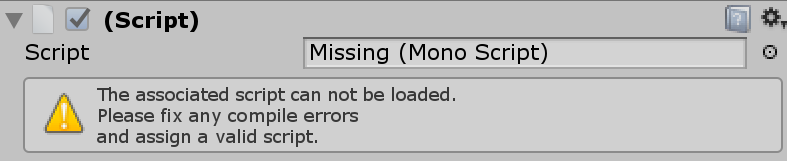
I quickly discovered a big problem – if you upgrade from Tessera to Tessera Pro, then all your scenes become broken. You get this error, which is likely familiar to veteran Unity developers.

I’ll go into what’s happening in general, and how I dealt with it.

Continue reading →

Marching Cubes Tutorial

In Minecraft, you can dig in any direction – removing a block at a time with well defined edges. But other games manage to destruct terrain smoothly, without all the blockiness of Minecraft.

The following tutorial in Marching Cubes, a technique for achieving destructible terrain, and more generally, creating a smooth boundary mesh to something solid. In this series, we’ll cover 2d in this first article, follwed by 3d in the next , and Dual Contouring in the third. This last is a more advanced technique for achieving the same effect.

Continue reading →

Tileset Roundup

Following my development of Resynth Tileset, I’ve been doing some thinking on the nature of tilesets, and the possible ways to auto tile them – that is, to paint tiles as is with a brush and letting the computer do the tile selection. Let’s review a few possible ways of doing so.

Just to be clear, I’m only interested at the moment in square, non-rotatable tiles. Rotation is another discussion, but excludes the more interesting tilesets. Adding alternative tiles is also not considered, though it is pretty easy to add in.

Continue reading →